
Buying a Home in Italy: What I Learned Firsthand
For many foreigners, the dream of buying a home in Italy begins with a photo, a headline, or the famous idea of unbelievably cheap houses. Mine did too. What I eventually learned is that purchasing property here is far less about finding a house and much more about understanding where and how you want to live.
Before focusing on listings or prices, there are a few realities worth knowing.
Where Should You Buy in Italy? (The Most Important Question)
People often begin by asking:
“How do I find a home to buy in Italy?”
In my experience, the more useful first question is: Where do you actually want to live?
Italy is filled with beautiful villages, historic towns, coastal areas, and surprisingly affordable properties. But daily life varies enormously from one region to another. Climate, community culture, services, accessibility, and social life differ in ways that are impossible to understand from online searches alone. Everyone is looking for something different, so even asking other people really is like letting a stranger order or shop for you. You really need to travel and experience on your own.
A low purchase price means very little if the place itself does not feel right.
The best decisions I’ve seen — including my own — came from spending time in a location first, walking the streets, observing daily life, and asking a simple question:
Can I imagine building a life here?
How Homes Are Actually Found Outside Major Cities
Foreign buyers are often surprised by how property discovery works in small towns and villages.
Outside Italy’s largest cities:
• Many homes are never formally listed online
• There often is no realtor involved
• There may be no sign on the door
• Availability often spreads by word of mouth or in an interaction direction on the street
In practice, homes frequently surface through conversation and local relationships. Once you identify a property and its owner, discussions can be refreshingly direct. If both sides are interested, price negotiation often happens in a straightforward, informal way.
It is less transactional than many expect.
Before Making an Offer: Understand the Real Cost
One of the most important lessons I learned — and one many buyers underestimate — is this: The true price of a home is not the acquisition cost. It is the finished cost.
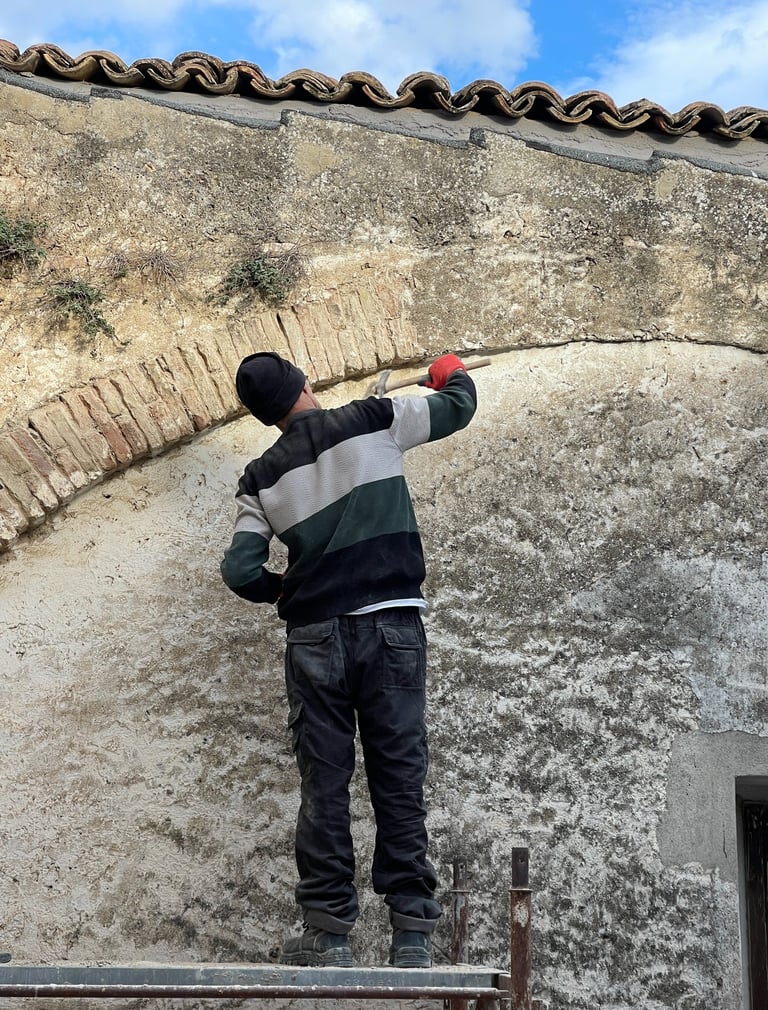
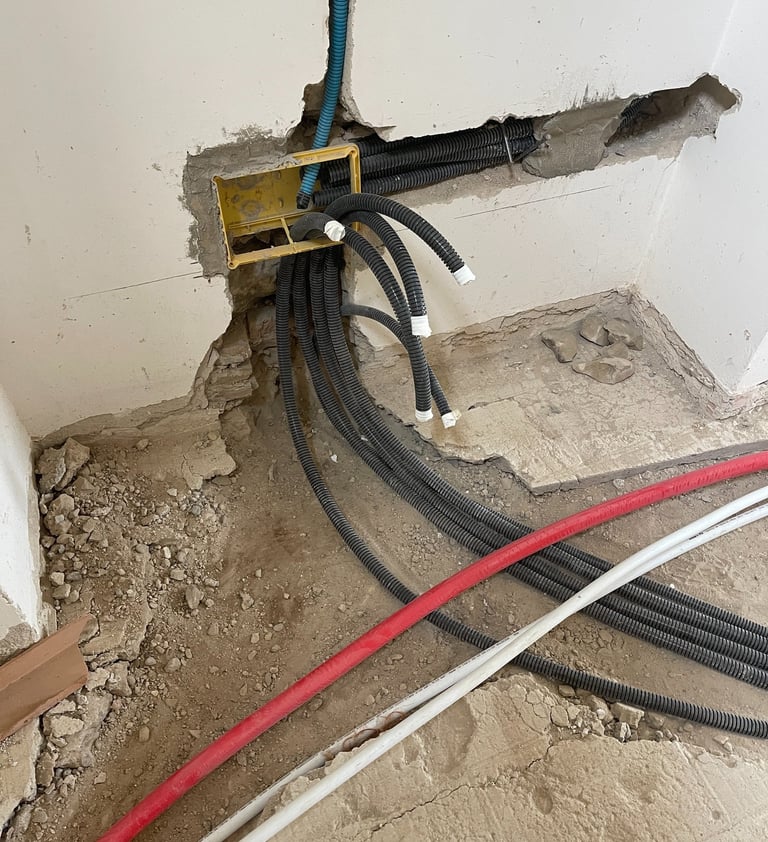
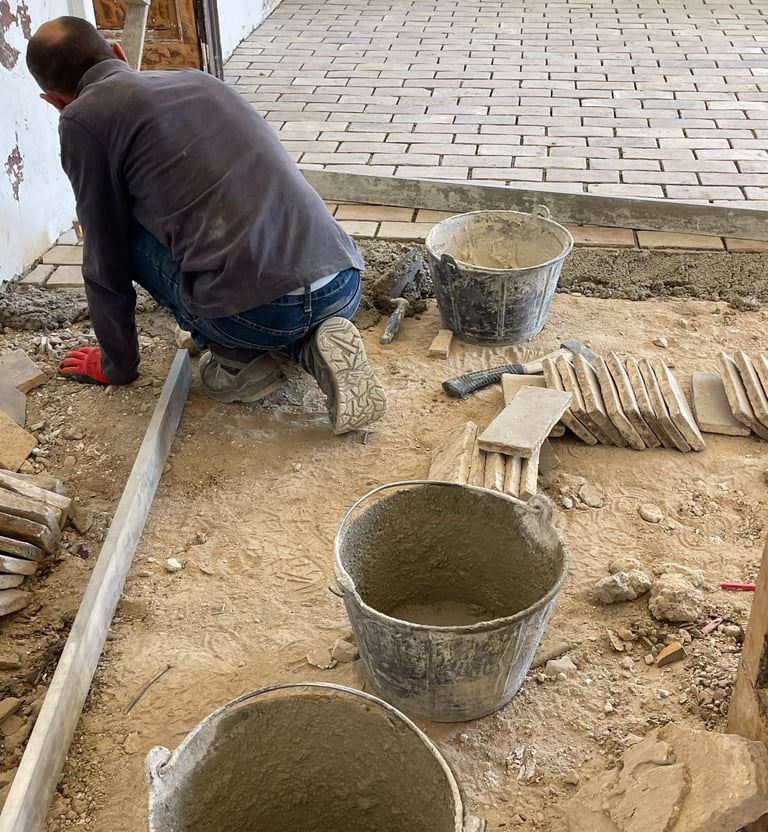
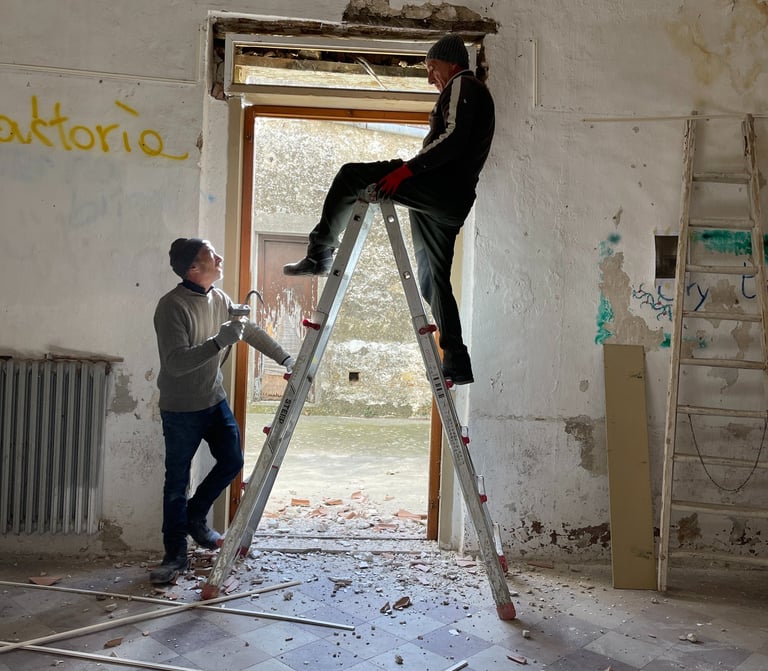
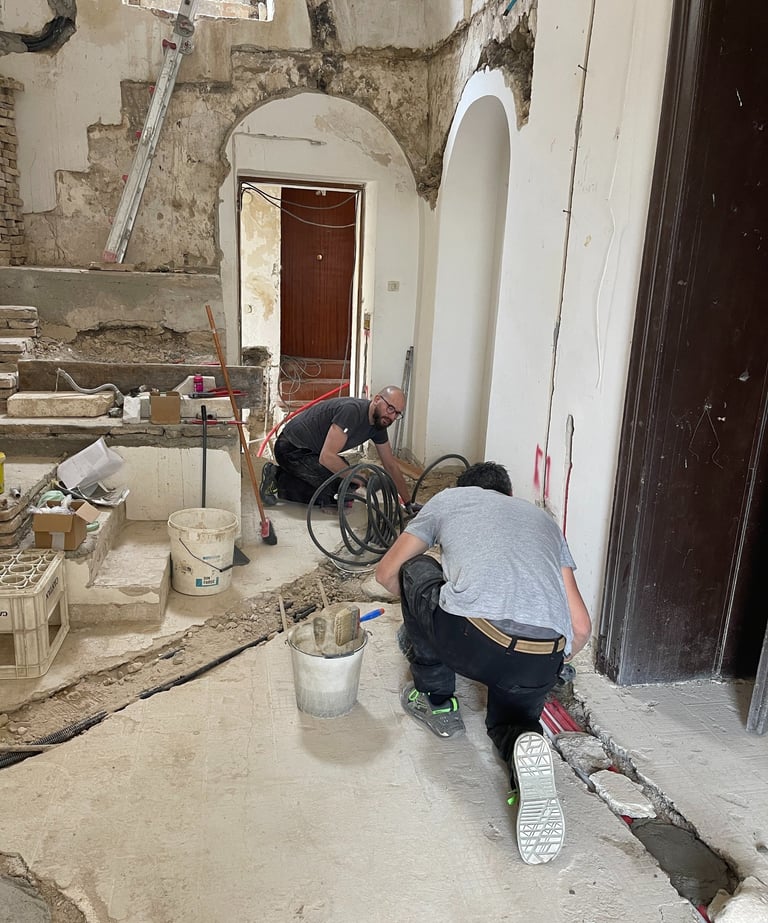
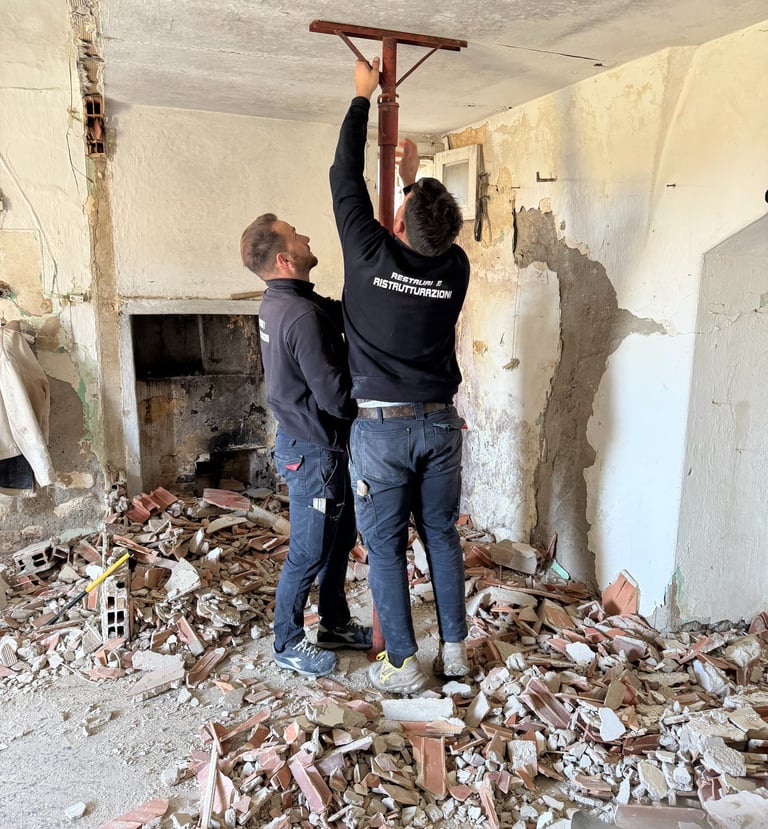
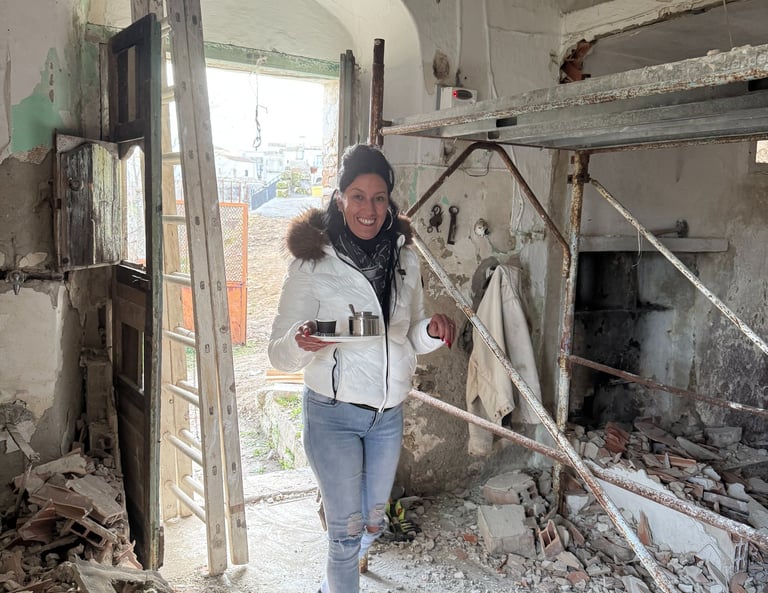
Historic and ancient homes, especially in small villages, often require:
• Structural repairs
• Roof work
• Utility replacement
• Moisture remediation
• Internal rebuilding
I have personally made the mistake of assuming renovation costs rather than verifying them.
The safest approach is to involve a trusted architect or builder before purchase. An expert evaluation can prevent what initially looks like a bargain from becoming a vastly more expensive project.
This is particularly critical when considering €1 homes.
€1 Homes in Italy — What to Know First (Important Reality Check)
If you’ve researched buying property in Italy, you’ve almost certainly encountered the famous €1 home programs. They are compelling, widely discussed, and often the spark that draws people toward small villages.
The concept is simple:
An abandoned home.
A symbolic price.
A new beginning.
The reality is rarely that simple.
Why €1 Homes Are So Appealing
These programs were created with positive intentions. Many small towns faced population decline and growing numbers of empty buildings. Offering homes at a symbolic price was designed to attract attention and encourage reinvestment.
From a distance, it can sound like an extraordinary opportunity.
From up close, the picture often changes.
The Reality Behind the Price
Despite the name: A €1 home is almost never a €1 home.
Buyers are typically required to:
• Complete renovations within fixed deadlines
• Work within regulatory constraints
• Navigate permits and approvals
• Rebuild major structural and utility systems
Once renovations begin, total costs frequently rise into a hundred thousand of euros or more. What appears inexpensive at entry can quickly resemble the cost of a conventional property purchase.
In other words: A €1 home can easily become a €100k+ home.
You Are Also Committing to a Fixed Layout
A rarely discussed constraint is that purchasing a €1 home locks you into an existing structure and floor plan, as with ANY home for sale.
This often means:
• Limited flexibility with layout
• Fewer options for windows and light
• Restricted design choices
• Locations that may not suit your lifestyle
Instead of selecting a home that fits your needs, you adapt to what already exists — which may be costly or difficult to alter.
A Note on DIY Renovation
Many foreign buyers, particularly from North America, are naturally inclined toward do-it-yourself renovation. This instinct is understandable — but Italian construction methods differ substantially.
In much of North America: Homes → Wood framing & sheetrock
In historic Italian villages: Homes → Stone & masonry structures, often centuries old
While learning these techniques is possible, the process is slower, more complex, and carries higher consequences for mistakes. Even highly capable DIY renovators often find local expertise essential.
The Bigger Question: Village Fit
The central issue is rarely the price of the house.
It is whether the village itself works for you.
Daily life in small-town Italy is shaped by:
• Language
• Pace of life
• Climate
• Services
• Social patterns
These factors are best understood through time spent living there, not through property programs or listings.
Rethinking “Value”
In practice, many buyers achieve better outcomes by purchasing a modest existing home that:
• Is structurally sound
• Already has utilities
• Can be used immediately
• Allows gradual improvements
Often, this route produces fewer surprises and greater long-term satisfaction.
The best value is not always the cheapest option on paper.
Oh — and About Living by the Sea
Sea-view dreams are extremely common — and for good reason. Italy’s coastline is extraordinary. But coastal living carries its own patterns:
• Summers can be intensely crowded
• Off-season periods can feel very quiet
• Some areas become highly seasonal
Personally, I found that living directly by the sea sometimes felt like being on a permanent vacation rather than building a grounded daily life. Preferences here are deeply individual, but worth reflecting on.
Once You Agree on a Price
When buyer and seller reach agreement, the process typically moves to a Notaio (notary) who handles the legal transfer.
The Notaio:
• Verifies ownership & legality
• Prepares official contracts
• Oversees signing & payment
Fees vary by transaction but commonly begin around €1,500+.Once signed, the transfer is complete and keys change hands.
A Slower, More Grounded Approach
If there is one principle that consistently leads to better decisions, it is this:
Spend time first.
Experience daily life.
Observe the environment.
Build familiarity.
Ownership — of any kind — makes far more sense once the place itself feels genuinely understood.
Final Thought
Italy offers extraordinary opportunities for those drawn to village life, historic homes, and slower living. But the most successful outcomes rarely come from chasing prices alone.
What matters most is not finding the cheapest house. It is finding a place where you can imagine building a life.

Contact
For inquiries about life in Grottole.
© 2026 All rights reserved.
Iryna@lifeingrottole.com
Questions@lifeingrottole.com
Stay@lifeingrottole.com