
Settling In
Life in a small Italian village can be deeply rewarding, but daily systems and routines often differ from those of larger cities or other countries. This section outlines common practical considerations frequently raised by visitors and those evaluating longer stays or relocation.
Relocation & Moving Considerations
Relocating internationally introduces decisions shaped by personal priorities, attachment to belongings, and tolerance for logistical complexity.
Some newcomers ship selected possessions from abroad via shipping containers on the ocean. Others sell all and purchase locally, which often simplifies setup. Electrical compatibility requires particular attention, as many devices designed for North American systems will not function properly in Europe without appropriate equipment.
Relocation decisions are highly personal, and many practical aspects of village life are best understood through direct exchange.
We are always happy to share our own experiences and observations with those exploring extended stays or potential moves to Grottole. Informal conversations often help clarify how everyday systems function in practice.
Questions are always welcome, and we’re happy to share insight when something can be answered simply. This is why we have this page, to help those curious about Grottole. This website does not exist to sell a service.
From time to time, some visitors seek more in-depth or ongoing guidance. In those cases, we offer paid consulting conversations based on our firsthand experience living and renovating in the village. These typically involve more detailed topics such as housing searches, renovation considerations, and navigating local practicalities.
These discussions are intended as practical perspective rather than legal or financial advice.
If you feel a deeper discussion would be useful, you’re welcome to reach out.
Expectations & Common Misconceptions
Extended stays or relocation to a small Italian village often differ from expectations formed through travel media or urban experience.
Village life is typically quieter, more repetitive, and less convenience-driven than many newcomers anticipate. Services operate on local rhythms rather than on-demand systems. Administrative processes may require patience. Building standards and repair practices can feel unfamiliar.
At the same time, many characteristics perceived initially as limitations are inseparable from the qualities that draw people here — slower pace, continuity of tradition, and frequent daily social contact. A simple trip to the local grocery store is limited by open hours ( closed between 1 and 5) and long conversations at the cashier stand while you wait in line. For some this can be frustrating. This is the South of Italy adjustment is largely a matter of recalibrating expectations around time, routine, and convenience.
Cost of Living Perspective
Compared with major international cities, many day-to-day expenses in rural Basilicata are lower, though spending patterns differ from urban environments.
Broad ranges commonly encountered:
Cell phone 10 euro mo/line
Wifi 20 to 30 / mo
• Unfurnished long-term rentals: €400 – €600 / month, plus utilities
• Utilities & energy: Highly variable as noted above.
• Food & daily living: Lifestyle dependent. We find eating out and groceries to be 25 to 50% of what we are accustomed to.
Utilities & Energy Use
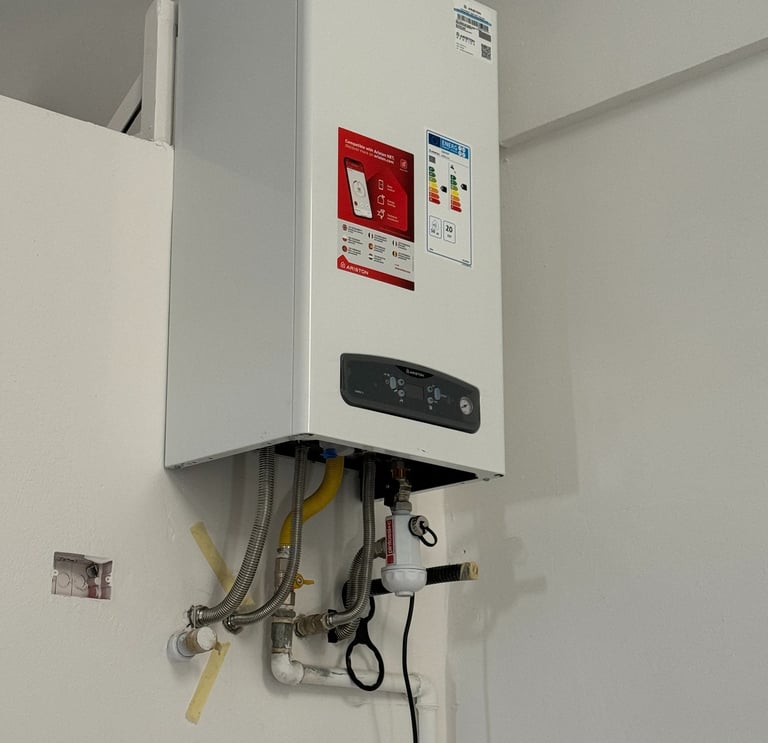
Electricity and gas services are provided through a range of national and regional suppliers. You can choose which provider you feel is best. I use a service that is popular in the Region and which I know the local who locally represents them.
Expenses are influenced most heavily by:
• Heating systems
• Seasonal usage
• Insulation, building behavior and size are also large variables
Historic stone homes, common in Grottole, behave differently from modern construction. This can be a blessing and a curse with very thick stone walls.
Mobile and Connectivity
Obtaining a local Italian mobile line is typically straightforward and usually requires only a passport. Monthly costs are about 10 euro per phone line.
Wifi has been via phone line for many years still. In 2025 fiber optic was laid throughout most of the town via TIM mobile network.
Medical & Healthcare Considerations
Healthcare is a common concern for those considering longer stays or relocation to Italy. While systems differ from many countries, medical services are present and regionally structured.
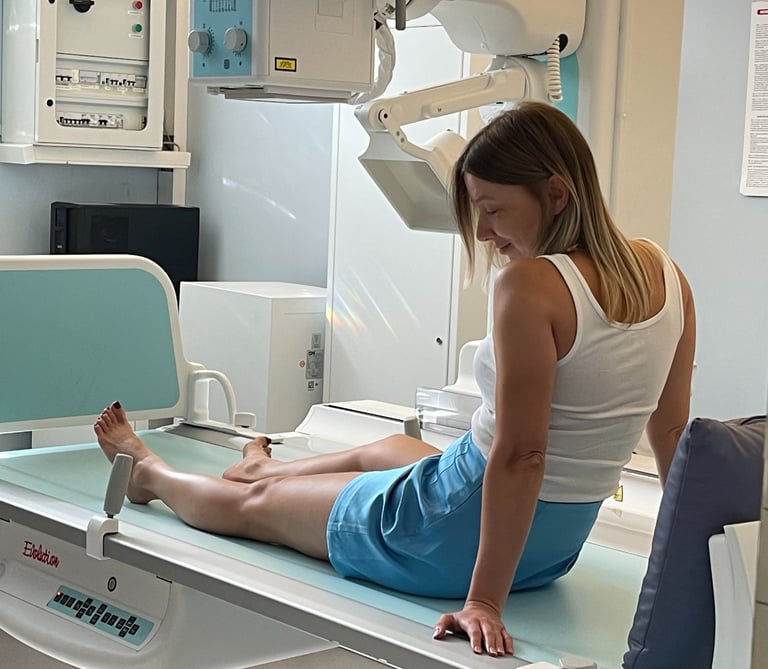
Grottole has a local medical clinic serving the village. During regular office hours routine visits., Outside of scheduled hours, coverage continues on a 24-hour basis for emergency needs only, consistent with rural healthcare models.
For residents enrolled in the national system, routine doctor visits are typically handled locally. In Grottole, general consultations under the public plan operate on a walk-in basis.
For more specialized or hospital-based care, the nearest major hospital is located in Matera, approximately 30 minutes away.
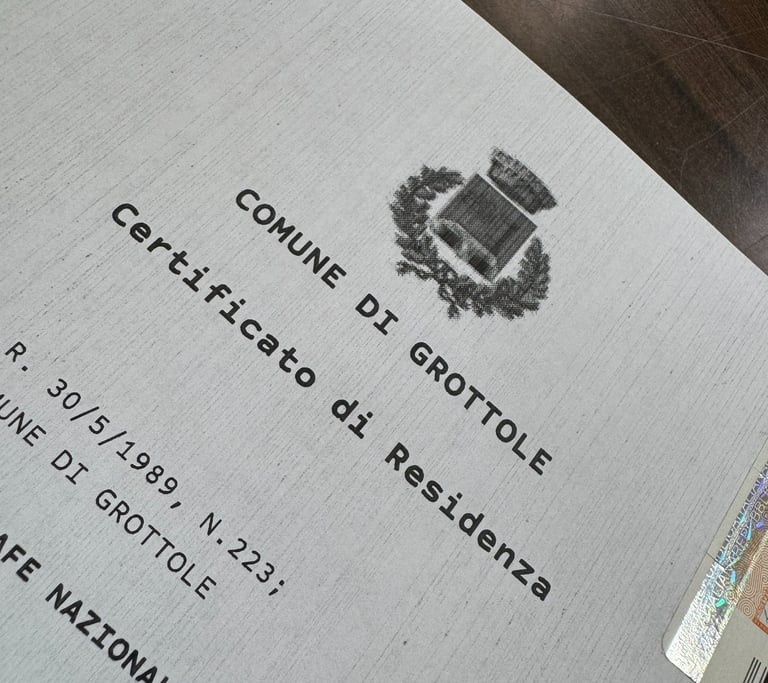
Access to Italy’s national healthcare system depends on residency status. Once residenza is established, individuals may become eligible to participate through an annual enrollment contribution. While costs vary by circumstance, a commonly encountered figure for voluntary enrollment is roughly: €2,000 per year.
Private medical services also remain widely used and most services are available in Matera and surrounding towns. Appointments are generally easy to arrange, and out-of-pocket costs are often reasonable by international standards.
Visas & Residency Pathways
Citizens of countries within the Schengen agreement, as well as several non-Schengen countries, may remain in Italy as tourists for up to 90 days within any 180-day period, calculated cumulatively. This applies regardless of where one travels within the Schengen zone and does not require a visa in advance.
Stays beyond this period generally require a long-stay visa issued prior to arrival. Two of the most common options for those considering extended time in Italy are the Elective Residency Visa and the Digital Nomad / Remote Worker Visa. Each has specific financial, documentation, and eligibility requirements that vary depending on individual circumstances.
Visa regulations and requirements can change, and interpretation may differ by jurisdiction. For this reason, the most accurate and up-to-date information is best obtained directly from the Italian Consulate or Embassy that serves your place of residence.
For the most accurate and current information see:
Tax Considerations for Pensioners
Italy offers a reduced tax regime for certain foreign pension holders who establish residency in qualifying small municipalities. Grottole falls within the group of eligible villages under this national policy.
Under this framework, qualifying foreign pension income may be taxed at a flat rate of 7% for a limited period, subject to meeting specific residency and eligibility requirements. The policy is designed to encourage long-term residency in smaller communities rather than short-term relocation.
Tax rules, eligibility criteria, and personal applicability vary based on individual circumstances and can change over time. For this reason, anyone considering this regime should consult the official guidance provided by the Italian tax authorities and seek independent professional advice appropriate to their situation.
As with visas, healthcare, and housing, tax considerations are only one part of a much broader decision about living in a small village. They tend to matter most after lifestyle, pace, and community alignment have already been carefully considered.
For official details and eligibility about Italy's 7% tax regime see PwC global guide:
Banking & Money Movement
Opening a bank account in Italy generally requires establishing residenza (official residency), which occurs only after completing the appropriate legal registration process. There are other challenges as well due to foreign regulatory concerns, which can be frustrating. Because of this, many newcomers initially maintain their primary financial arrangements in their home country. I also recommend using Wise and an intermediary money conversion app based institution. It is much easier for transfers and can save substantially on common exchange rates.
My banking strategy
• Retaining a home-country bank account
• Using international transfer and currency platforms ( I use Wise.)
• Accessing local cash via Schwab debit card as there is no ATM fee.
Local bank account via the Poste
Contact
For inquiries about life in Grottole.
© 2026 All rights reserved.
Iryna@lifeingrottole.com
Questions@lifeingrottole.com
Stay@lifeingrottole.com