
Daily Life
Life in Grottole is shaped less by schedules and more by habit. Daily routines have evolved slowly, guided by work, weather, and relationships rather than fixed planning.
Mornings begin early. As light reaches the stone streets, the first sounds are practical: doors opening, footsteps, and the familiar movement of Apes heading toward gardens and fields. Coffee is taken at home or standing at the local bar, often accompanied by brief exchanges about the weather or the day’s tasks.
The bar functions less as a destination and more as a pause point. People stop, greet one another, share a few words, and continue on. Familiarity builds through repetition rather than extended gatherings.
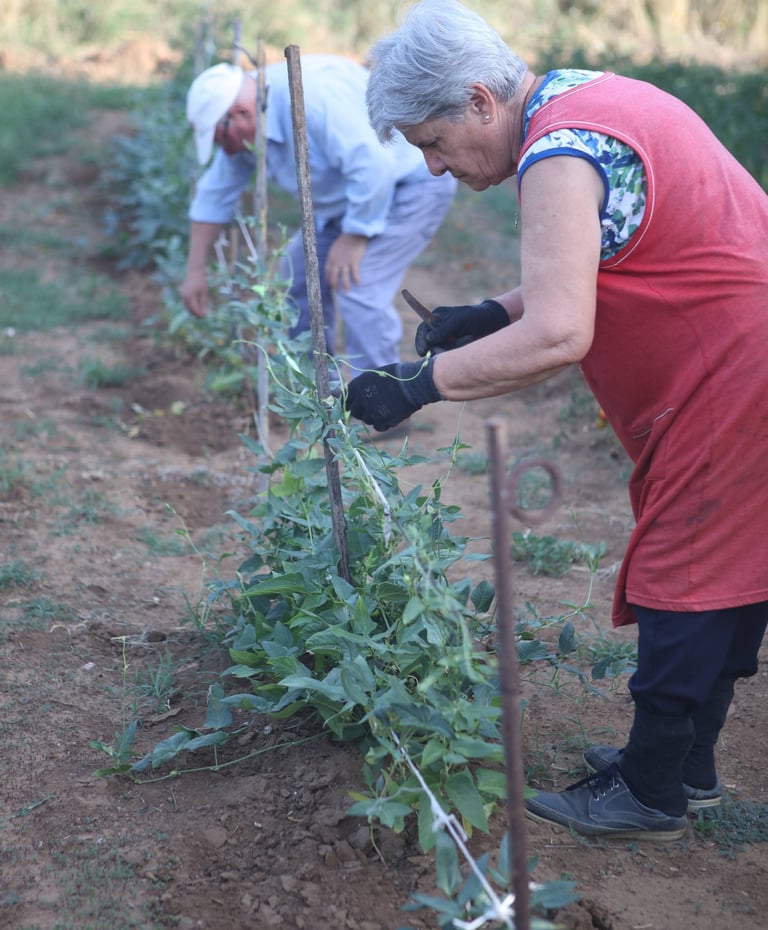
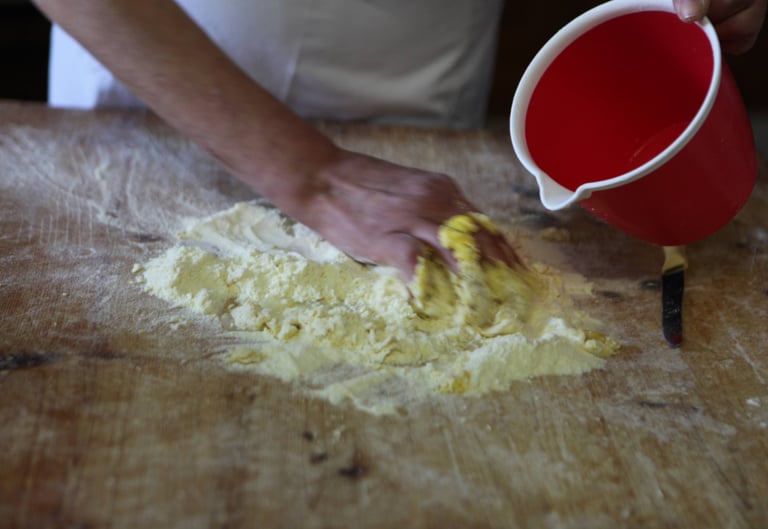
Food remains central to daily life, not as a statement but as routine. Many families maintain plots of land in the surrounding countryside — the campagna — where vegetables, olives, and grapes are grown primarily for household use. Meals follow seasonal availability, and preservation practices continue as part of the yearly cycle.
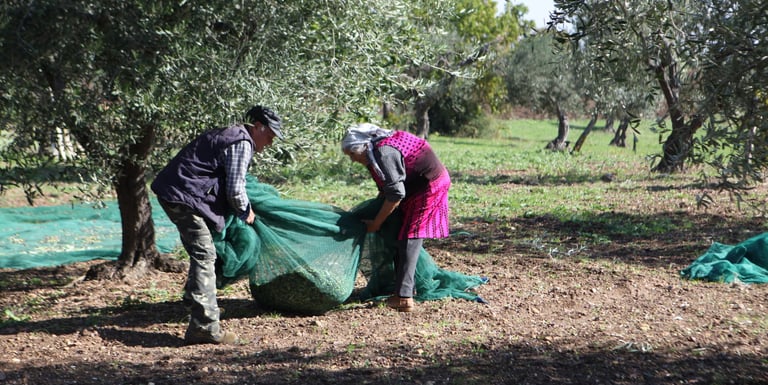
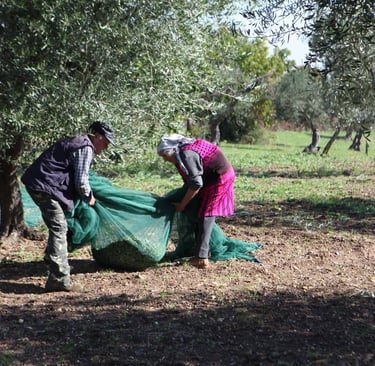
Agricultural work is woven into village rhythms. Olive groves and vineyards surround the town, and tending them often involves shared labor and ongoing conversation. These routines reinforce community bonds through steady, repeated interaction.
Social life is informal and frequent. Much of it unfolds outdoors — walking, sitting, or standing in conversation. Festivals and religious events punctuate the year, but they are experienced as internal community traditions rather than staged attractions.
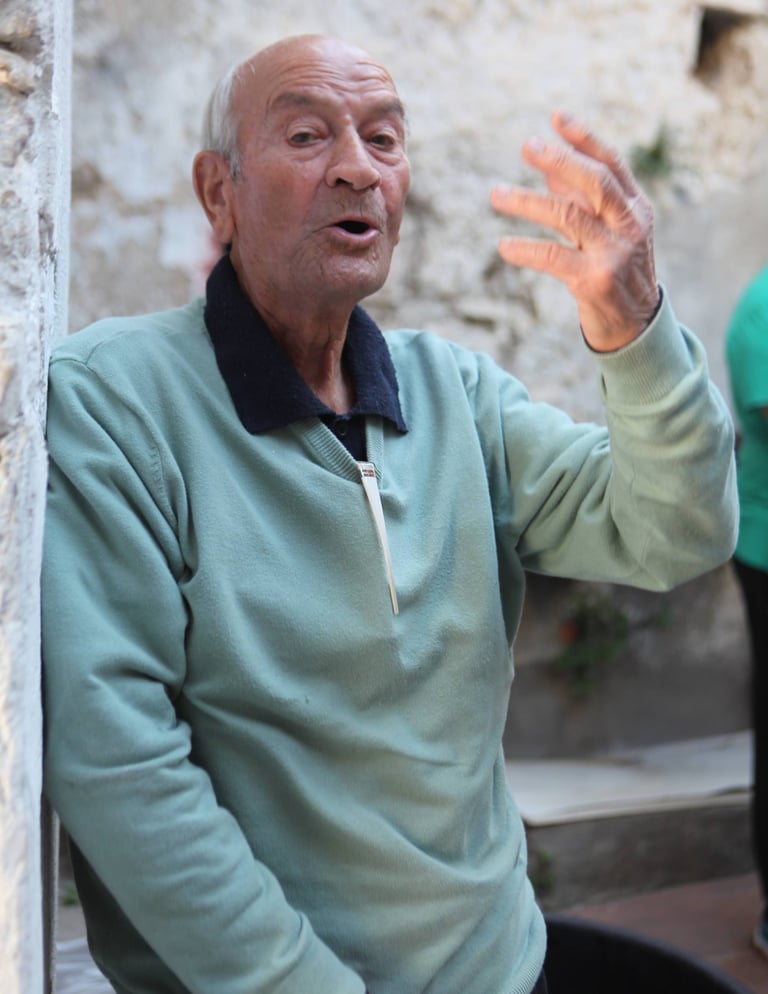
Intergenerational presence is highly visible. Older residents remain active in daily routines, while children move freely through the streets, learning village patterns through observation and participation. Knowledge is transmitted through proximity and repetition rather than formal instruction.
Life in Grottole is defined by ordinary actions repeated over time. Walking familiar routes, tending land, and sharing brief daily exchanges create a rhythm grounded in continuity and belonging. For those who spend enough time here, these patterns reveal the deeper structure of village life.
Belonging & Community
Belonging is something people often ask me about when they imagine living in a small Italian village. Will you always feel like an outsider? From what I’ve experienced in Grottole, the reality is much more human and far less dramatic. But always, it depends on you and how you approach the village.
Some residents take time to warm up, which makes sense in a place where families have known each other for generations. Others are immediately kind and welcoming, even if you’re just passing through. It is not uncommon to be invited into a home simply by passing by and trying to communicate. Neither reaction feels unusual or unfriendly — it’s simply village life.
What continues to strike me is that locals are often puzzled about why foreigners would choose Grottole at all. The village was never marketed or polished for visitors; it just carried on being itself. That’s exactly what I find so compelling about it.
Over time, I’ve learned that familiarity grows through small, ordinary moments. People wave. Someone stops to chat. Occasionally a caffè or a beer appears without ordering, but as a friendly offer from a local.
Making even a modest effort with Italian changes everything — not because perfection matters, but because the gesture does.
Belonging here isn’t something granted all at once. It develops naturally through presence, patience, and genuine interest in the place and its people. And little by little, those everyday exchanges begin to feel like something solid and sincere.
Grottole doesn’t try to impress or persuade. But if you approach it with openness and respect, it has a quiet, unmistakable way of letting you in.
Recreation
Movement, Tradition, and Everyday Use
In Grottole, physical movement isn’t planned or set apart from daily life. It happens because the village itself requires it. Built on a hilltop, with narrow stone streets, stairways, and steep inclines, simply moving through the day involves walking. Going to the bar, visiting a neighbor, carrying groceries, or heading to a cantina or garden all mean navigating a layout shaped long before cars or convenience.
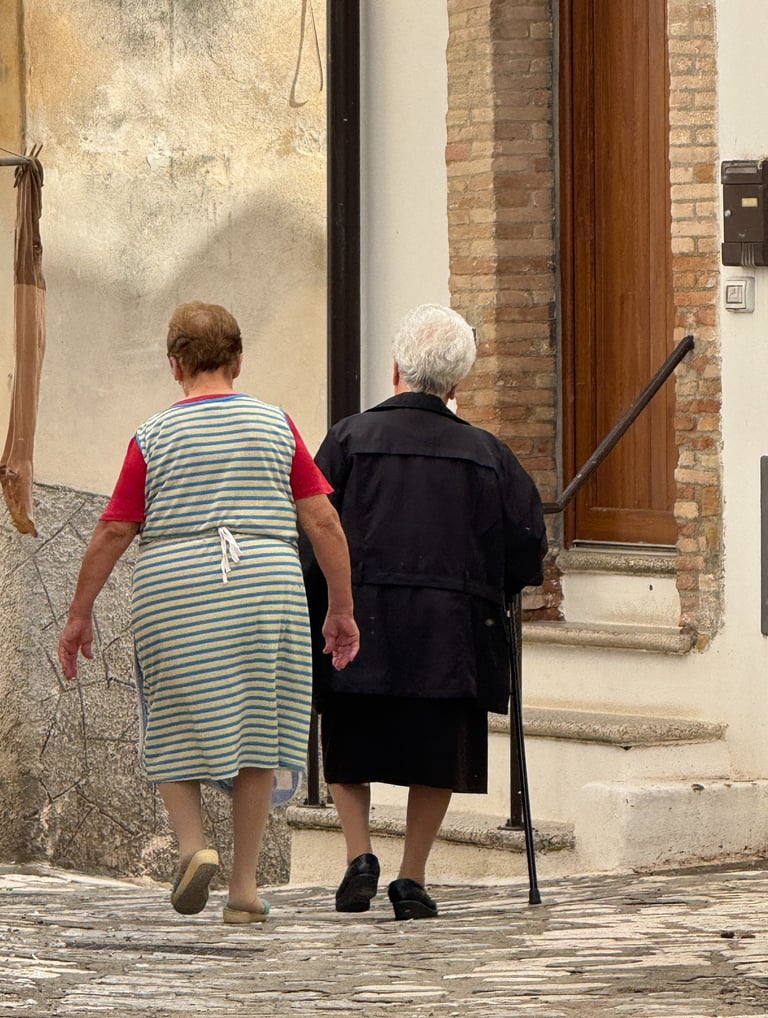
This movement is practical rather than intentional exercise. People follow the same paths day after day, often pausing briefly to talk or observe what’s happening around them. Over time, these repeated routes become familiar and social. Movement here reinforces connection not through scheduled activities, but through regular, unplanned encounters.
One of the clearest expressions of this is the evening giro. Especially in warmer months, residents take a slow, unhurried walk through the village streets, often looping the same paths more than once. Walking in giro is a long-standing Italian tradition, but in Grottole it feels habitual rather than ceremonial. People walk in pairs or small groups, stop to exchange news, notice who is out, and return home without any clear beginning or end. It’s part of the daily rhythm, not an event.
Movement also extends beyond the village. Many residents maintain small plots of land in the surrounding countryside, known locally as campagna. Reaching these gardens usually involves a short drive followed by physical work done largely by hand—digging, planting, pruning, harvesting, and carrying produce back to the village. The effort is steady and seasonal rather than intense, shaped by necessity and familiarity.
Agricultural cycles continue to structure the year. Late summer and early autumn bring grape harvests and winemaking, followed by the olive harvest and oil pressing in November. These periods involve long days outdoors, shared labor among family members, and repetitive physical work that has changed little over generations. The movement involved isn’t optimized or efficient, but purposeful and well understood.
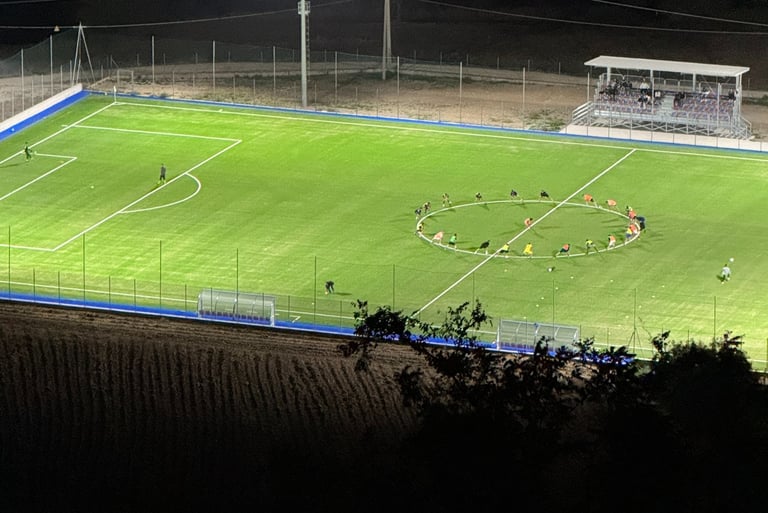
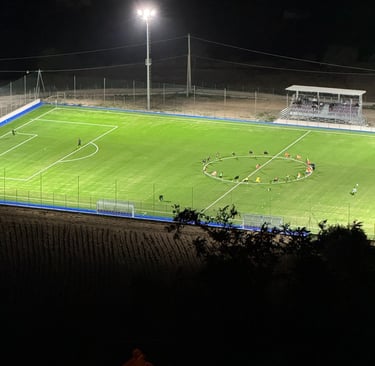
Alongside these long-established routines, Grottole also supports more organized forms of movement that are deeply rooted in community life. In 2025, the village completed a new regulation-size football field, equipped with lights and bleachers. When the local team plays — and especially when they win — the cheering can be heard throughout town, carrying well beyond the field itself. Football here is not just a sport, but a shared point of pride and collective energy.
There is also a smaller futsal field, where local young men regularly form informal teams and play in the evenings. These games are self-organized, social, and competitive in equal measure — another example of movement emerging naturally from village life rather than being scheduled or formalized.
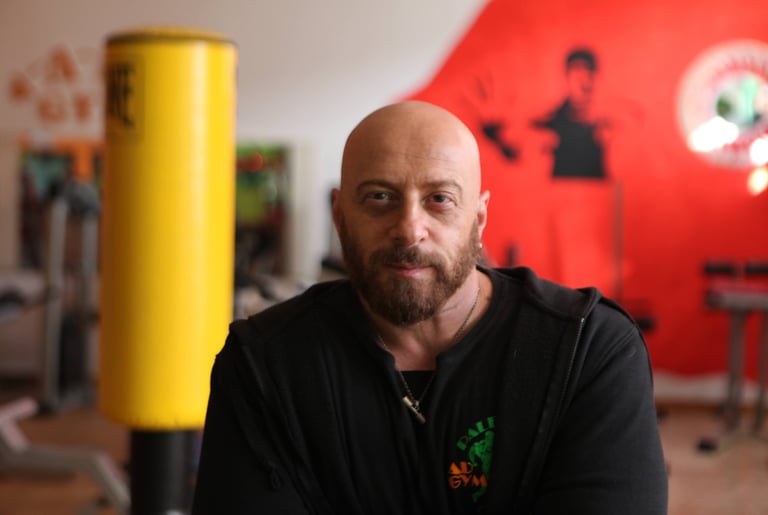
In addition, Grottole has two small gyms and a local dance studio that offers classes such as Pilates, sometimes held outdoors in front of the castle when weather allows. These spaces function as extensions of daily life rather than destinations, and are used primarily by people who already know one another.
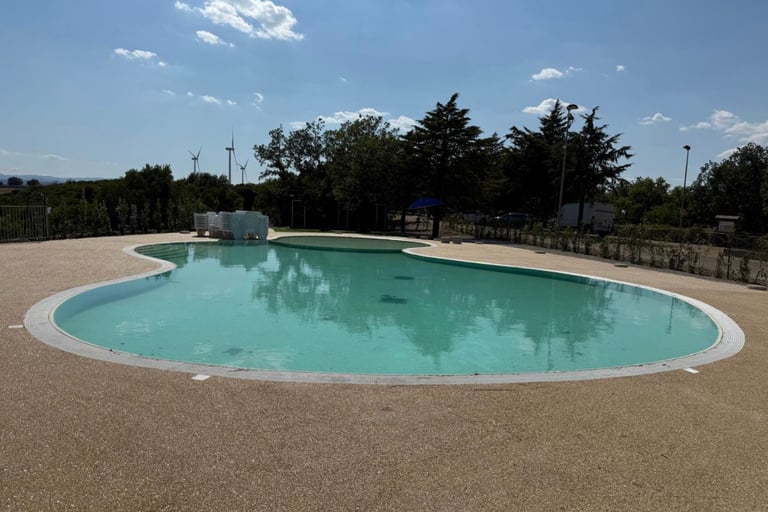
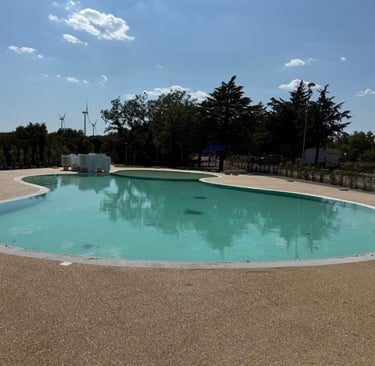
More recently, a community pool was built at Bosco Coste, within the village’s picnic area. Open during the summer months, it provides a shared space for families and neighbors. Like other facilities in Grottole, it isn’t treated as an attraction, but as another place where daily life continues — just in a slightly different form.
Movement and the Surrounding Land
Beyond daily movement within the village, the surrounding landscape offers many informal ways of spending time outdoors that are already part of local life. Grottole sits between cultivated countryside and protected natural areas, where walking, cycling, and time spent outside emerge naturally rather than being planned as activities.
Just outside the village, dirt roads and farm tracks lead into the campagna and along the Basento river valley. These routes are used to reach olive plots, fields, and neighboring land and are commonly walked or cycled, especially in the late afternoon. Movement here follows familiarity and season rather than marked trails, often shaped by where land is being worked at a given time of year.
A short drive away, the Parco della Murgia Materana provides a different landscape of open plateaus, ravines, and long-established walking paths connecting rural areas around Matera. Locals often go there for extended walks rather than formal hikes, combining movement with time spent outdoors rather than a defined route.
For those accustomed to cycling longer distances, quiet rural roads connect Grottole to surrounding villages and open countryside. These rides pass through agricultural land rather than scenic viewpoints, following the same roads used for daily travel and seasonal work.
More expansive natural areas are also within reach. Gallipoli Cognato – Piccole Dolomiti Lucane Regional Park and Pollino National Park are both accessed by car and are visited occasionally for longer days in nature. These trips are typically infrequent and seasonal, fitting around agricultural calendars and everyday obligations rather than replacing them.
Camping, where it occurs, is approached quietly and practically. Along the Ionian coast near Metaponto, established campgrounds and pine forests are used seasonally, particularly in summer, as part of the broader Italian tradition of spending time by the sea. These stays are simple and social, often tied to family routines rather than outdoor recreation culture.
What connects all of these places is not their designation, but how they are used. Movement and time outdoors in and around Grottole grow out of proximity, habit, and season. Physical well-being develops through repetition and familiarity with land that is already part of daily life, rather than through planned outings or defined experiences.
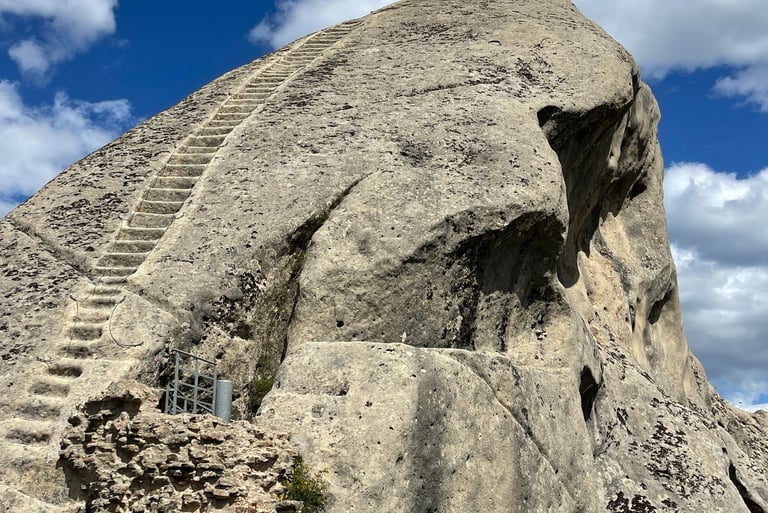
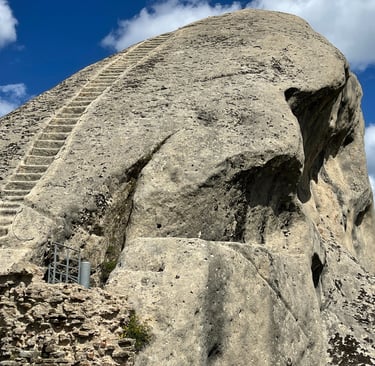
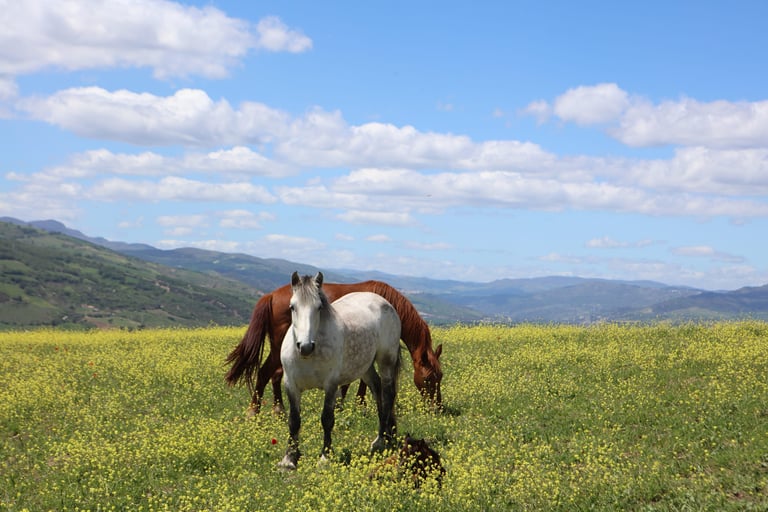
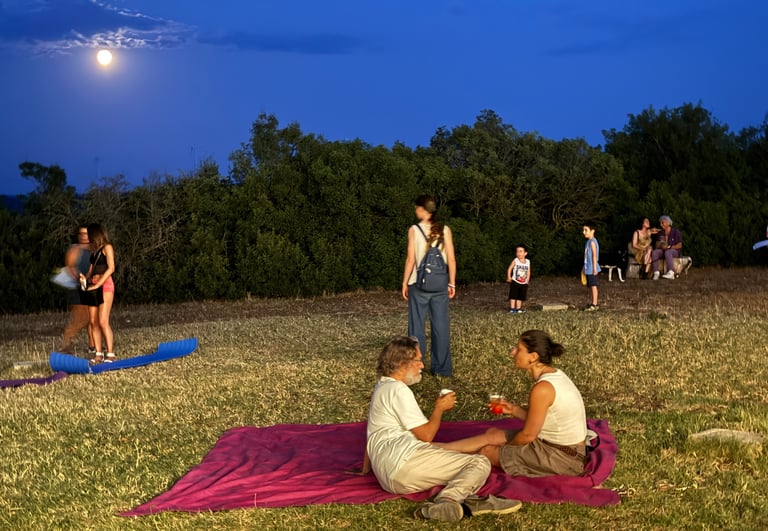
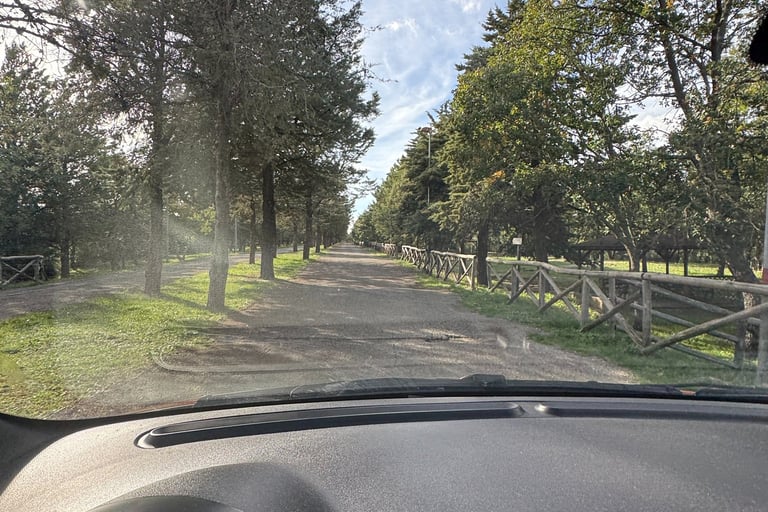
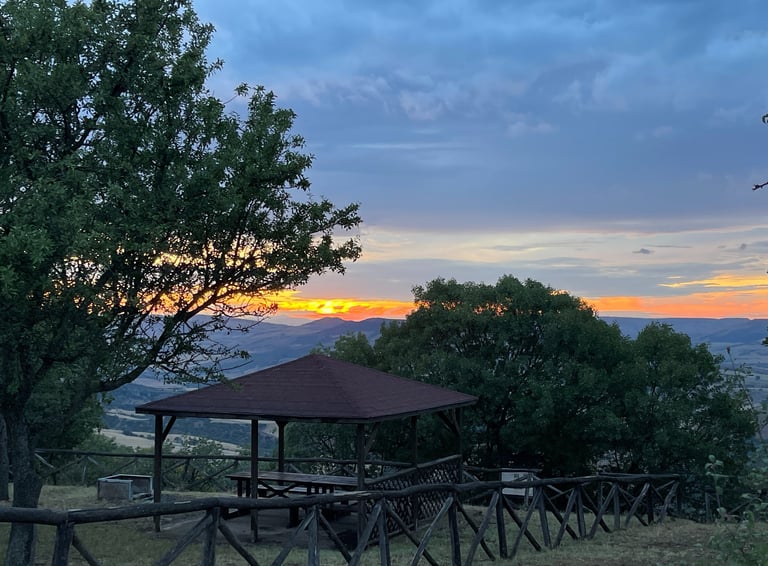
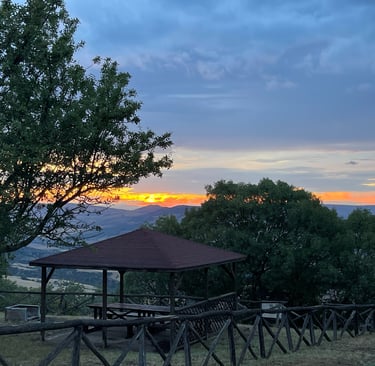
Just a short three-minute drive from Grottole, Bosco Coste is one of the most important everyday outdoor spaces for the village. Many locals run or walk out to it, especially in the cooler parts of the day, making it feel less like a destination and more like an extension of daily life.
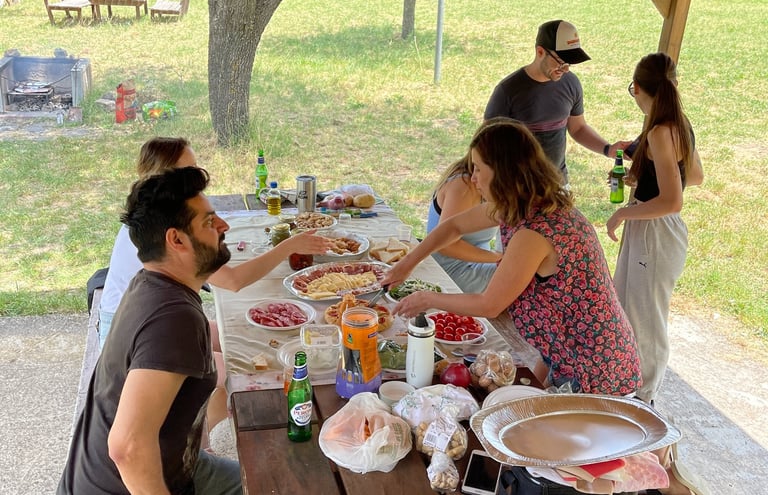
The area is a wide green space with grass, shade trees, picnic tables, and play areas for children. It’s designed for lingering rather than passing through. Families spend afternoons here. Friends meet casually. Kids move between playground equipment and open grass while adults sit, talk, and share food brought from home.
One of the most recognizable features is the “Big Bench,” which looks out over the surrounding countryside and has quickly become a local photo spot, but also simply a place to sit and take in the landscape.
Bosco Coste reflects something essential about life in Grottole: recreation is rarely separated from social life. Spaces like this aren’t used for structured activity as much as they are for gathering, talking, and simply spending time together.
For visitors and longer-term guests, it’s also one of the easiest places to experience everyday local life without formality — just by showing up, sitting down, and staying awhile.
The Community Pool
In 2025, the Comune of Grottole built a new public pool at Bosco Coste, and it immediately became a central part of summer life. In southern Italy, the pool is as much social space as recreation. Families often spend half a day there — swimming, talking, watching children play, and moving between water and shade.
A small snack bar serves drinks, ice cream, and simple refreshments for both kids and adults, reinforcing the relaxed, social atmosphere rather than a commercial one.
Food & Social Life Nearby
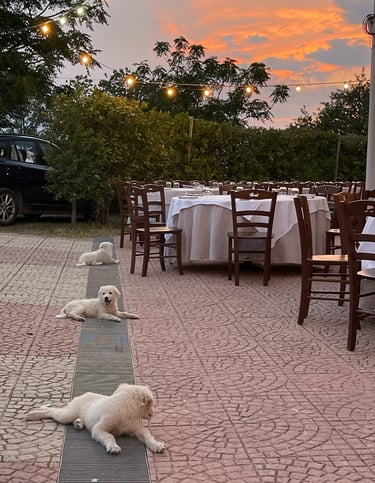
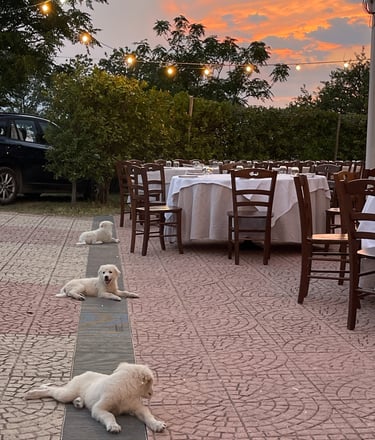
Also located in the Bosco Coste area is Podus, a locally loved steak restaurant known not only for grilled meats but also for traditional homemade Italian dishes. It’s a common choice for birthdays, family gatherings, and celebrations, and in summer it becomes a popular date-night spot, especially for outdoor dinners under the evening sky.
Bosco Coste — Outdoor Life at the Edge of the Village
Contact
For inquiries about life in Grottole.
© 2026 All rights reserved.
Iryna@lifeingrottole.com
Questions@lifeingrottole.com
Stay@lifeingrottole.com