
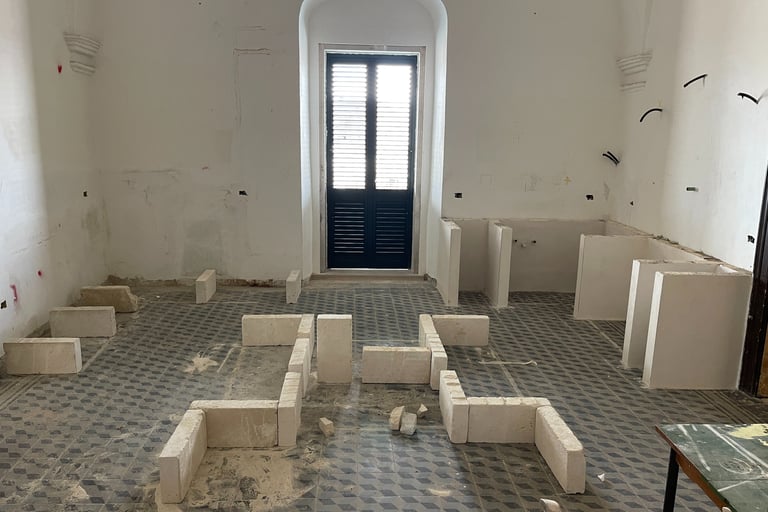
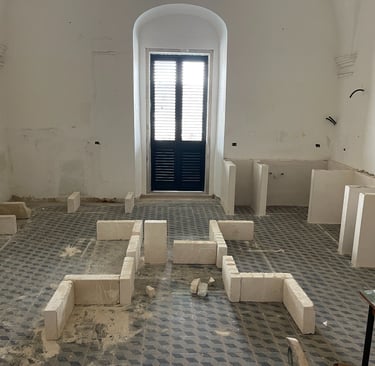
Renovating our home in Grottole was not a quick project, and it was never intended to be. Like many historic homes here, it was built in stone, shaped by time, and altered gradually over generations. Understanding how to work with it — rather than against it — became central to the process.
Early on, we chose to work with an architect from a neighboring village who had experience working with foreigners. Her name is Rocchina Natale and she was fantastic. That decision mattered more than we initially realized. Beyond design, Rocchina played a critical role in overseeing the work itself — ensuring that construction was done correctly, materials were appropriate, and decisions respected both the structure of the house and local building practices. It was the smartest decision I could have made in a sea of so many mistakes!!! ( Message me for her contact I feel that strongly)
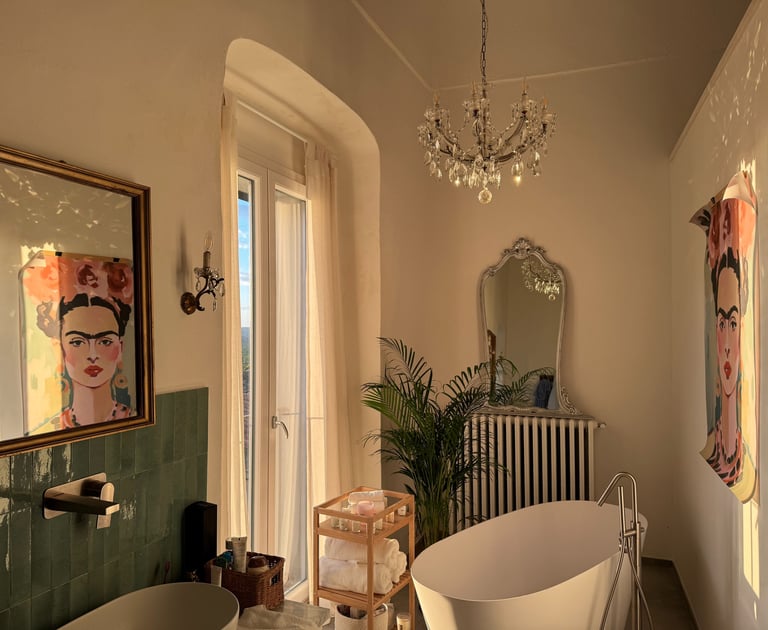
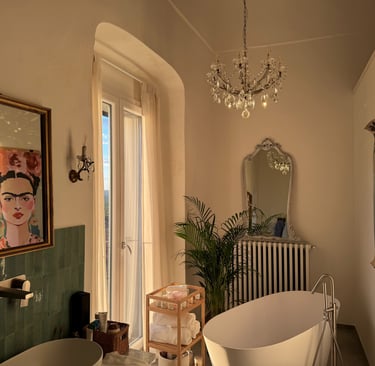
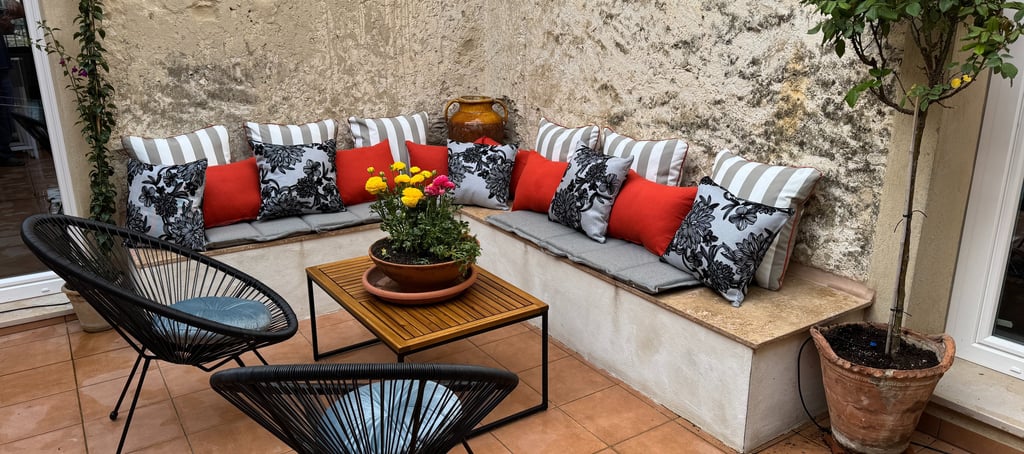
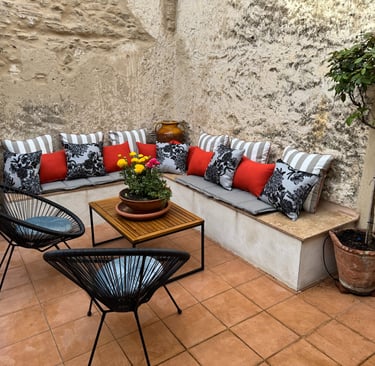
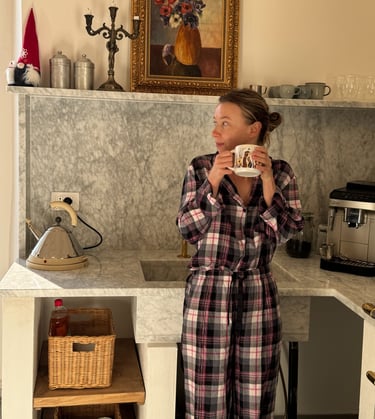
Design-wise, we were intentional. Many Italian renovations favor a clean, modern aesthetic, but we wanted something different — a renovation that stayed true to the home’s natural character while incorporating a restrained, modern-rustic touch. Rather than installing everything new, we leaned heavily on vintage and second-hand pieces. Thrift and antique shops in the region are plentiful and affordable, but finding the right pieces takes time. It took us nearly three years to collect enough chandeliers that felt appropriate for each room, but that patience shaped the house more than any single design choice.
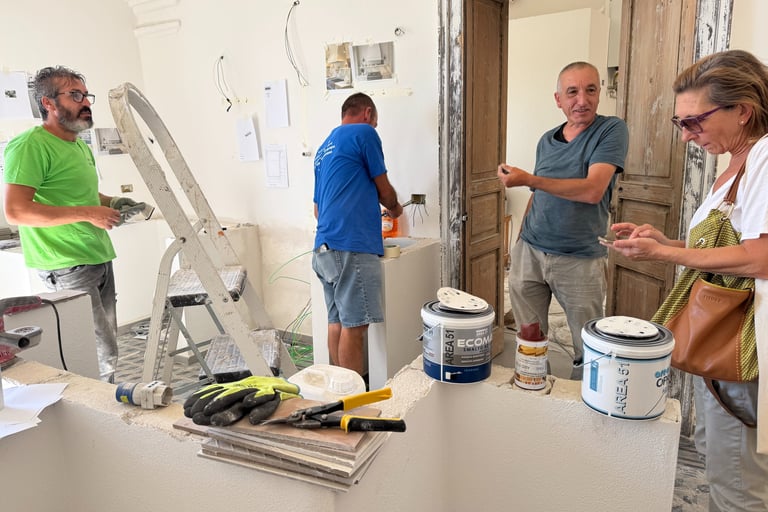
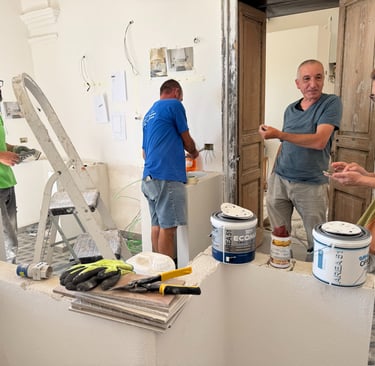
We worked with the local electrician and plumber, Nazario— the same people everyone in the village uses. Over time, professional relationships turned into friendships, and that familiarity made collaboration smoother and more human. Not everything was outsourced, either. We handled much of the wall surface work, plastering, and painting ourselves, which deepened our connection to the house and to the labor involved in restoring it.
The project was not without surprises. In the end, it cost more than we expected. The roof, in particular, came in significantly higher than planned — a lesson we’ve learned more than once (or failed more than once). If there’s one thing this experience reinforced, it’s the importance of having a trusted architect or contractor provide realistic estimates before purchasing a property, especially with older stone buildings. I didn't do that a couple times and regretted it.
Despite the challenges, the outcome was worth it. We ended up with a home that truly feels like a dream — filled with light, shaped by the materials it was built from, and opening onto views that still stop us short. By local standards, it’s a very large house. By U.S. standards, it’s fairly typical. More than a few neighbors wondered if we were planning to open a hotel.
We weren’t.
What we wanted was a home that respected where it was, reflected how we live, and could age gracefully along with the village around it. Renovating it taught us patience, humility, and how things actually work here — lessons that inform everything we share on this site.
Contact
For inquiries about life in Grottole.
© 2026 All rights reserved.
Iryna@lifeingrottole.com
Questions@lifeingrottole.com
Stay@lifeingrottole.com