From Presence to Participation

Staying longer in Grottole is not simply an extension of an initial stay. It marks a shift from learning how the village works to beginning to take part in it. This stage requires patience, consistency, and an acceptance that integration happens on the village’s terms, not according to personal timelines.

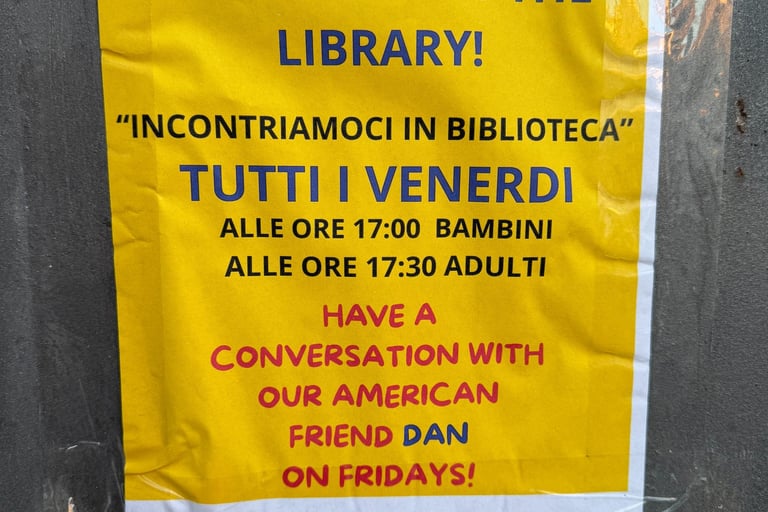
Language becomes essential at this point. While short stays can exist with limited Italian, deeper participation cannot. Everyday interactions—at the bar, in shops, in the street, or in the campagna—depend on shared language, even if imperfect. Making the effort to learn Italian signals seriousness and respect, and it is often the first step toward being treated as more than a temporary presence.

Understanding local social norms also becomes more important over time. In a small village, routines, expectations, and relationships are well established. Knowing when to greet, when to wait, how to ask for help, and how to show appreciation matters. These details are rarely explained directly; they are learned through observation, repetition, and occasional correction.

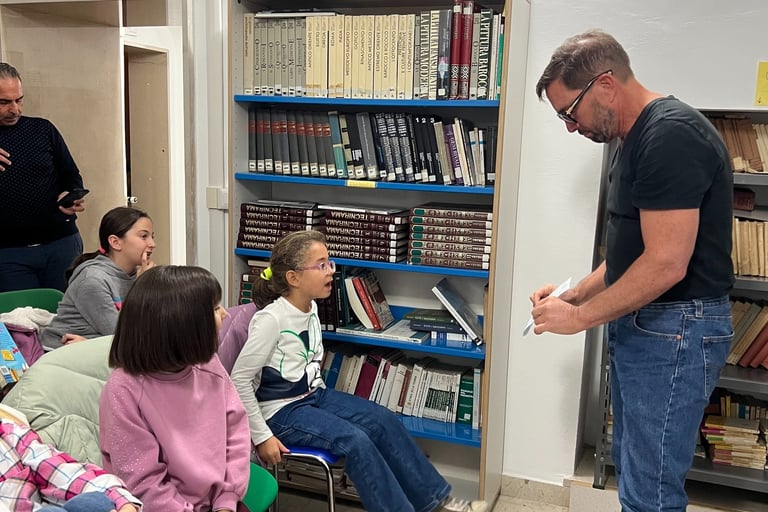
Relationships in Grottole deepen slowly. Recognition comes first, followed by familiarity, and only later by trust. Participation may involve helping during harvests, showing up consistently at shared spaces, or simply being reliable and present. What matters most is not initiative, but continuity—being there week after week, season after season.

Practical life also becomes more visible during longer stays. Navigating local systems, from shopping and services to municipal offices, is part of understanding how the village functions. These tasks are rarely efficient, but they are relational, often relying on personal interaction rather than process.

For those considering property ownership or restoration, this phase requires particular care. Buildings in Grottole carry history, constraints, and community meaning. Responsible integration involves learning local regulations, respecting traditional forms, and understanding how changes affect neighbors and the village as a whole. Decisions made here tend to be long-term and should be approached deliberately rather than quickly.

Staying longer in Grottole is not about achieving belonging. Belonging is not granted or claimed; it develops quietly through time, presence, and shared responsibility. This stage allows people to assess, honestly and without pressure, whether they are prepared for the realities of village life—not just its appeal, but its limits as well.

Language and Belonging

Italian is the language of daily life in Grottole. While it is possible to manage initially with tools such as Google Translate or live translation on a phone, these are best understood as temporary aids rather than long-term solutions.

The village is full of generous and patient people. Newcomers are often welcomed warmly, invited into homes, and included in daily interactions even when language is limited. Gestures, tone, and repetition go a long way, especially at the beginning.

In addition to standard Italian, many residents also speak a local dialect known as Grottolese, which reflects the village’s history and long continuity. While newcomers are not expected to understand or speak it, its presence underscores how language here is layered and deeply tied to place.

Over time, language becomes the difference between being welcomed and truly belonging. Without Italian, conversations tend to remain surface-level, and meaningful exchanges can stall just as relationships begin to deepen. This can be frustrating—not because people are unkind, but because there is more to say than translation tools can carry.

There is also an unspoken expectation that effort will be made. Fluency is not required, but progress matters. Even imperfect Italian signals respect, presence, and a willingness to meet people where they are. Each step forward opens access to stories, humor, and connections that are otherwise out of reach.

In a village like Grottole, language is more than communication. It is how trust forms, how relationships deepen, and how one gradually moves from being a guest to becoming part of everyday life.

Bright living room with modern inventory

Our Renovation

Rental Approach for Longer Stays

Housing plays an important role for those considering extended time in Grottole. A small number of restored homes within the village are available specifically to support longer stays rather than short-term visits.

These homes are offered on a monthly basis for most of the year, reflecting the belief that meaningful time in the village requires routine and continuity. The primary period for monthly stays runs from September through May. The summer months of June, July, and August, as well as December, are treated differently due to seasonal patterns in the village and are subject to separate terms and pricing.

For individuals considering longer commitments, assistance may also be available in identifying yearly rental arrangements within the village. In some cases, these arrangements can include registered rental contracts, which may be required for visa or residency purposes.

Details regarding availability, timing, and suitability are discussed through conversation rather than listings. This allows expectations to be aligned before any arrangements are made and ensures that stays are appropriate both for the individual and for the village.

Support and Practical Considerations

If You Decide to Go Further

Some people come to Grottole simply to spend time here — to experience daily life, understand the rhythm of the village, and see whether it resonates with them. Others, over time, begin to consider staying longer or making Grottole part of their lives in a more permanent way.

If and when that happens, we’re sometimes able to help — informally and on a case-by-case basis — based on what we’ve learned living here ourselves.

Ways We Can Sometimes Help

  • Home rental support
    Helping identify longer-term rental options that fit your needs, timing, and expectations.

  • Home purchase guidance
    Sharing local context, practical realities, and introductions when appropriate, so you can make more informed decisions.

  • Renovation perspective
    Helping you understand what’s realistic in older stone homes, what often surprises newcomers, and how renovation typically works in practice here.

  • Logistical consulting
    Offering guidance around the practical side of village life — systems, processes, and everyday realities that aren’t always obvious from the outside.

A Note on How This Works

This isn’t a packaged service or a one-size-fits-all offering. It’s support that grows naturally out of time spent here, conversations, and mutual fit — and it’s only something we offer when it genuinely makes sense for everyone involved.

Healthcare in Daily Life

Medical Care and Health Services

Medical care in and around Grottole follows the structure common to many small towns in Italy, combining local clinics with access to larger regional hospitals.

Grottole has a local medical clinic that serves residents for routine care. For more specialized treatment, the nearest major hospital is located in Matera, approximately 30 minutes away by car. This hospital provides full services, including emergency care, diagnostics, and specialist departments.

Foreign residents who obtain legal residency in Italy may choose to enroll in the national health system (Servizio Sanitario Nazionale). For non-EU citizens, enrollment is currently available at an annual cost of approximately €2,000, providing access to public healthcare services on the same basis as Italian residents.

For those who are not enrolled in the national system or who prefer private care, private doctors and specialists are widely available in Matera and surrounding towns. Appointments are generally easy to arrange, and out-of-pocket costs are often reasonable by international standards.

Emergency care is always available. The emergency department at the Matera hospital can be accessed by anyone, regardless of residency or insurance status, and emergency treatment is not denied based on ability to pay.

As with many aspects of life in Grottole, healthcare access is practical and relationship-based, with local clinics handling everyday needs and regional centers providing more advanced care when required.

Visas and Length of Stay

Time spent in Grottole is shaped not only by personal intention, but also by immigration regulations that apply throughout Italy and the Schengen Area. Understanding these frameworks is an important part of considering a longer stay.

Citizens of countries within the Schengen agreement, as well as several non-Schengen countries, may remain in Italy as tourists for up to 90 days within any 180-day period, calculated cumulatively. This applies regardless of where one travels within the Schengen zone and does not require a visa in advance.

Stays beyond this period generally require a long-stay visa issued prior to arrival. Two of the most common options for those considering extended time in Italy are the Elective Residency Visa and the Digital Nomad / Remote Worker Visa. Each has specific financial, documentation, and eligibility requirements that vary depending on individual circumstances.

Visa regulations and requirements can change, and interpretation may differ by jurisdiction. For this reason, the most accurate and up-to-date information is best obtained directly from the Italian Consulate or Embassy that serves your place of residence.

Rather than viewing visas as administrative hurdles, they are best understood as part of the broader commitment involved in spending meaningful time in Italy. Approaching this process thoughtfully and early helps align expectations with the realities of long-term presence.

Tax Considerations for Pensioners

Italy offers a reduced tax regime for certain foreign pension holders who establish residency in qualifying small municipalities. Grottole falls within the group of eligible villages under this national policy.

Under this framework, qualifying foreign pension income may be taxed at a flat rate of 7% for a limited period, subject to meeting specific residency and eligibility requirements. The policy is designed to encourage long-term residency in smaller communities rather than short-term relocation.

Tax rules, eligibility criteria, and personal applicability vary based on individual circumstances and can change over time. For this reason, anyone considering this regime should consult the official guidance provided by the Italian tax authorities and seek independent professional advice appropriate to their situation.

As with visas, healthcare, and housing, tax considerations are only one part of a much broader decision about living in a small village. They tend to matter most after lifestyle, pace, and community alignment have already been carefully considered.